Destination
When should you visit Zanzibar?
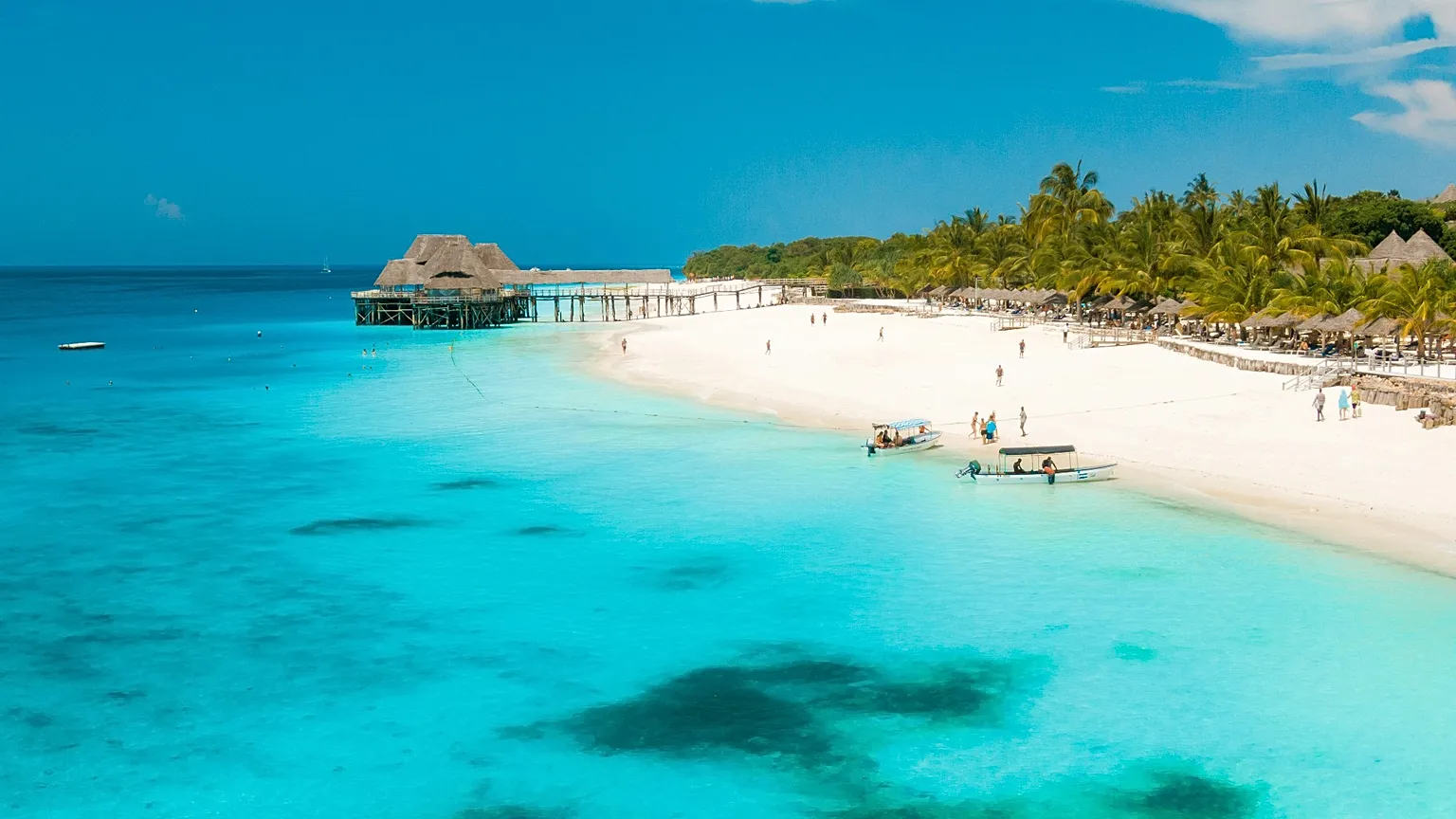
Zanzibar is a tropical island destination where timing can make a big difference. The island stays warm throughout the year, but rainfall, humidity, wind, sea conditions and crowds change significantly from month to month. For the best combination of reliable beach weather, comfortable conditions and outdoor activities, June to October is the strongest overall period. January and February also offer a hot, mostly dry window, while April and May are the wettest months.
My recommendation
September
Dry-season conditions, warm temperatures, generally less pressure than July/August, while still being excellent for beaches and water activities.
Best for beach weather
June – October
Best for diving & snorkeling
February, June – October
Best for lower prices
March, May, October – November
Wettest period
April – May
Busiest periods
July – August and Christmas/New Year
September scores
Plan around
What to know before you book
- Zanzibar's long rains
- The main long rainy season runs roughly from March/April through May, with April and May typically being the wettest period. If your trip is mainly about beaches, sunshine and outdoor activities, these are the months where weather is least reliable.
- Christmas & New Year
- Christmas and New Year are among Zanzibar’s busiest periods, with higher demand and higher hotel prices. But don’t write it off — I’ve spent Christmas and New Year there myself and had a great time. They definitely know how to celebrate NYE.
- July & August
- July and August are peak travel months because of the excellent dry-season weather and European summer holidays. Expect more visitors and higher prices, especially at popular beachfront hotels.
- Short rains
- November brings Zanzibar's shorter rainy season. Rain can be unpredictable, but showers are generally less persistent than during the long rains. This can also mean lower prices and fewer visitors.
April – May
Late December – early January
July – August
November
Month by month
All twelve months, at a glance
Tap any month for full scores, temperatures and planning notes.
Sunshine
June – October
Warmest period
January – March
Wettest period
April – May
Warmest sea
January – March
Good diving & snorkeling
February, June – October
Kitesurfing
December – March and June – September
Lower prices
March – May and November
Rainy season
The long rains fall in April – May; the shorter rainy season arrives in November.
Ready to book September in Zanzibar?
Find hotels in ZanzibarKeep exploring
Related destinations
Other places I’d time carefully — and when I’d go.



If you want…
The short version
Classic beach holiday
June – October
Best beach weather
June – October
Diving & snorkeling
February, June – October
Kitesurfing
December – March and June – September
Lower prices
March – May and November
Fewer crowds
June, September, October and November
New Year's celebrations
Late December – early January
FAQ
Planning a trip to Zanzibar
When is Zanzibar busiest?
Zanzibar is busiest during the main dry-season peak and around Christmas and New Year. July – August: European summer holidays bring more visitors and higher demand. Christmas – New Year: hotels and beachfront resorts can become significantly busier and more expensive. Easter and school holidays can also increase demand. June, September, October and November are generally quieter, with typically lower demand.
When is Zanzibar cheapest?
The long rainy season generally brings lower demand and better accommodation prices, and November can also offer better value because of the short rains. Prices are highest around Christmas & New Year, in July & August, and at popular beachfront resorts during peak dry-season periods. Lower-price periods are March – May and November. Exact prices vary by hotel and booking date.
What are the beach & water conditions like?
For Zanzibar, timing is about more than rainfall. Wind, tides and sea conditions can also affect the beach experience. February and June – October are strong periods for diving and snorkeling, and December – March and June – September can offer favorable kitesurfing winds. Tides are particularly noticeable on the east coast around Paje, Jambiani and Bwejuu, where the water can retreat significantly at low tide. Nungwi and Kendwa on the north coast generally offer easier access to swimmable water across the tidal cycle.